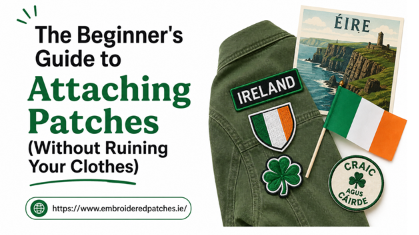
Just one mistake with a blazing hot iron or even some inappropriate glue will forever damage your most beloved jacket. Discover how to safely apply all kinds of patches to your garments without damaging them.
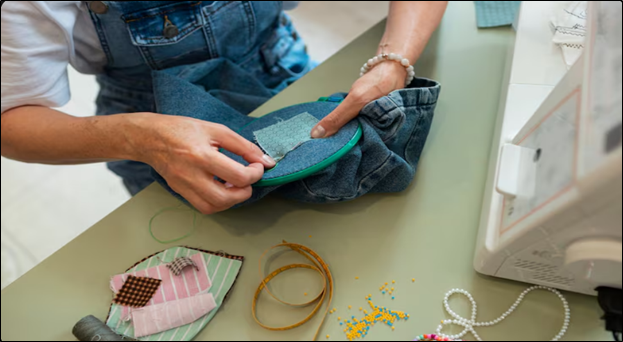
Simple Techniques To Apply Patches Without Damaging Fabric
One of the simplest and most convenient ways to decorate clothes without buying new ones is to use patches.
They allow you to make repairs, adornments, or even a complete creative change to clothes. However, many beginners harm the fabric through the speed of their work and by applying the incorrect technique.
If applied properly, patching can also prolong the life of your clothes and make them look better. When you have an old jacket, jeans, or bag you no longer need, you can give them the second life they deserve.
Understanding the correct approach also helps to prevent costly errors such as burned-out patches, poor stitching, torn fabric after washing, or a misaligned seam.
Fabric Understanding Is Crucial To Preventing Common Mistakes
It is important to know what type of fabric you are working with before applying any patch. Heat, glue, and stitching have different effects on different materials.
Generally, cotton is the easiest to manage, while polyester or blends of other fibers demand more attention. Fabrics such as denim can withstand more powerful sewing methods, whereas fabrics such as silk or satin require more delicate methods.
One of the common mistakes that beginners make is using the same technique with all materials, which can result in damage or poor results.
Learning fabric behavior results in a more durable and cleaner finish. A few extra minutes spent on learning about the types of fabric can make all the difference.
Iron-On Methods Provide A Clean And Easy Starting Point
The heat-based application is one of the most popular approaches used by beginners. It is quick, easy, and requires no advanced sewing skills.
Custom patches iron on techniques can be very helpful at this point. They enable the user to use heat and pressure to attach designs and are easy and efficient for beginners to use.
The following are the steps that you should take to use them properly:
· Preheat the surface of the fabric
· Put a thin piece of cloth between the iron and the patch.
· Use even pressure for the suggested amount of time
· Before testing the patch’s endurance, let it cool.
It’s most effective for flat surfaces such as jackets, jeans, and cotton bags. However, it might not be suitable for very stretchy or fragile materials.
How Proper Placement Improves The Final Look Of Your Clothing
The location of the patch is as important as the way the patch is attached. Even the best design can appear unbalanced or unprofessional if it’s not placed correctly.
Typical places to put them are on a sleeve, chest pocket, back panel, or bag. Size and shape change the visual effect of each area.
It is a good practice to:
· Use pins in various settings
· Identify symmetry in a mirror image
· Make sure the patch is on a seam or edge
· Keep the number of designs to a minimum
The proper arrangement can improve your overall appearance by giving your clothing a feeling of purpose and unity.
Heat Control Is Essential For Long-Lasting Results
One of the most important factors for iron-on patching is heat. Excessive heat will damage fabric, and inadequate heat will result in a poor bond.
Unless the fabric instructions suggest otherwise, always use medium heat settings. Do not rush the ironing process, as gentle pressure will ensure a good bond.
Also, make sure that the fabric has cooled down enough before wearing or laundering. This ensures a good bond between the adhesive and the surface, preventing early peeling.
Good heat control will help keep your patch in place for a long time without damaging the clothes.
How To Use Local Patch Communities To Get Started
When people start patching for the first time, it can be confusing for many beginners. Learning from the local vendors or craft producers can help the process.
Many beginners frequently look for Irish patches near me when they need inspiration or pre-made patterns in their vicinity. Local communities frequently give advice on materials, styles, and methods of attachment.
Participating in these groups can aid beginners in the following ways:
· Explore design concepts and possibilities
· Gain knowledge of the correct application techniques
· Avoid common mistakes
· Access better-quality materials
This support will help first-time users make patch customization fun and easy at the same time.
Hand Stitching Adds Strength And Durability
For strength and durability, stitching is a better option than ironing, though it can be time-consuming.
Hand or machine stitching will keep patches in place even if they are washed or used often. It is particularly effective for jackets, work clothes, and Custom Perfume Boxes.
When using a heat-based application first, adding stitches around the edges can still greatly improve longevity. Also, it provides a more handmade and high-quality appearance.
Stitching will take a little more work, but it will be rewarding if you want to create custom clothes.
Investing In Quality Materials Will Help Prevent Damage
Not all patches are made the same. Materials have a significant impact on durability.
Poor quality patches can wash out, chip off, or get discolored after a few washes. Good quality patches, on the other hand, can hold shape and colour over time.
Durability is ensured by the quality of backing, thread, and adhesive. Making an investment in improved materials lessens the necessity for routine replacements and repairs.
Selecting the right material from the start will yield a more polished and better result.
How Hat Accessories Take Your Everyday Style To A New Level
Often, it’s the smallest details in fashion that can make the most significant difference, especially when it comes to hats and casual attire.
Caps with personalized features can definitely make any common attire look more expressive and stylish. It allows people to express themselves, their interests, or their brand without changing their look.
One popular customization option is adding Custom embroidered hat patches, which not only give texture and strength to caps and hats but also enhance their aesthetic appeal.
These patches not only look good, but they also give a handcrafted look, which enhances the overall appearance. They are trendy in streetwear, sports teams, and choices for personal style.
Simple Tools Are Enough For Great Results
Many people think they need to invest in fancy tools to begin adding patches to their setups, but this is not the case.
Usually, just a few basic items are enough: an iron, a sewing needle and thread, scissors, and fabric glue. It’s all about the technique, not the equipment.
Keep it simple to help beginners follow the right procedure without being overwhelmed by tools.
As skills develop, start to investigate more advanced tools or machine stitching as necessary.
FAQs
What is the best method of attaching patches for beginners?
Iron-on and light stitching methods are safest because the stitching not only ensures good attachment but also does less damage to the fabric.
Will clothes get damaged when patches are applied the wrong way?
Yes, if the temperature is set incorrectly or the stitching is bad, the fabric can burn, cause weakness in the fibers, or cause patches to come off rapidly.
What is the average lifespan of iron-on patches?
They may last a long time when applied properly, but are much more durable and wash-resistant when inserted around the edges.
Can you attach patches to any fabric?
No, delicate fabrics require extra care, and cotton and denim are better for patch attachment methods.
Is it possible to remove patches later without damage?
Yes, but removal is dependent on the method. The heat-based patches are easier to remove than the stitched patches.
Conclusion
Patches can be a great way to customize clothing without breaking the bank. If it is done properly, it will enhance style, prolong garments’ life, and make everyday outfits more meaningful.
Every step, from learning some basic fabric techniques to the correct approach, will lead to better results.
You can learn to do this by stitching or by heat application, whichever one you prefer, but it is important to be patient and practice.
Anyone, from novice to expert, can design a beautiful and long-lasting piece with proper strategies that will truly show their individuality and creativity.
About the Author